
Pengboxingchen Editorial Team ·
Wood-Look Modular Cladding: Comparing Appearance and Specification
A photo-led buyer guide to physical sample approval, colour consistency, joint details, cleaning compatibility, material documentation and acceptance records for wood-look modular cladding.
Photo-led buyer guide. This article draws on visual observations from a company photograph and general procurement practice. The cladding material visible in the photograph is not identified — it may be a composite panel, a coated metal panel, a PVC panel or another material. The article does not identify the core material or make claims about its fire, weathering or structural properties. Material properties must be confirmed from the manufacturer's specification and relevant test certificates.
Reading the Photograph
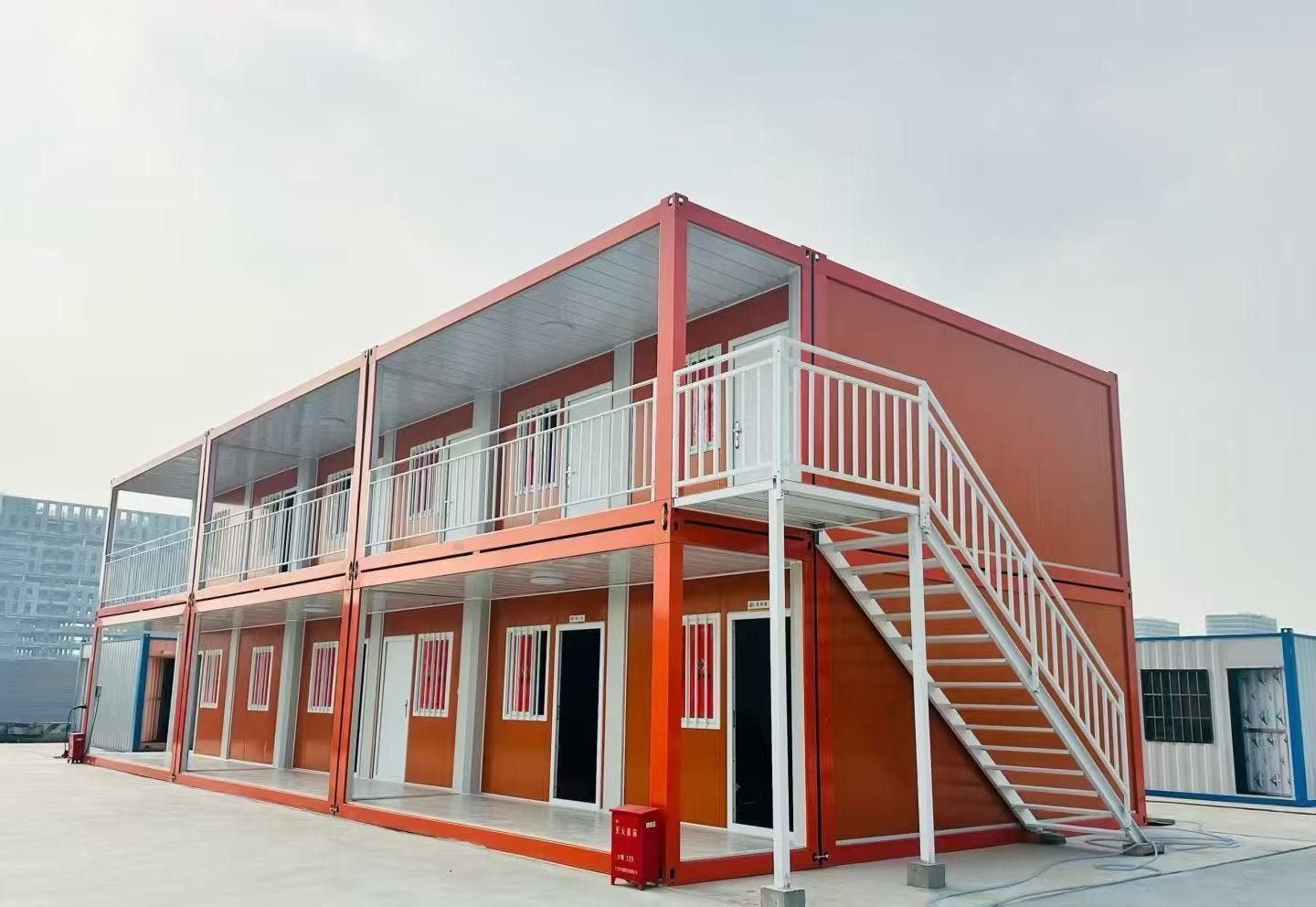
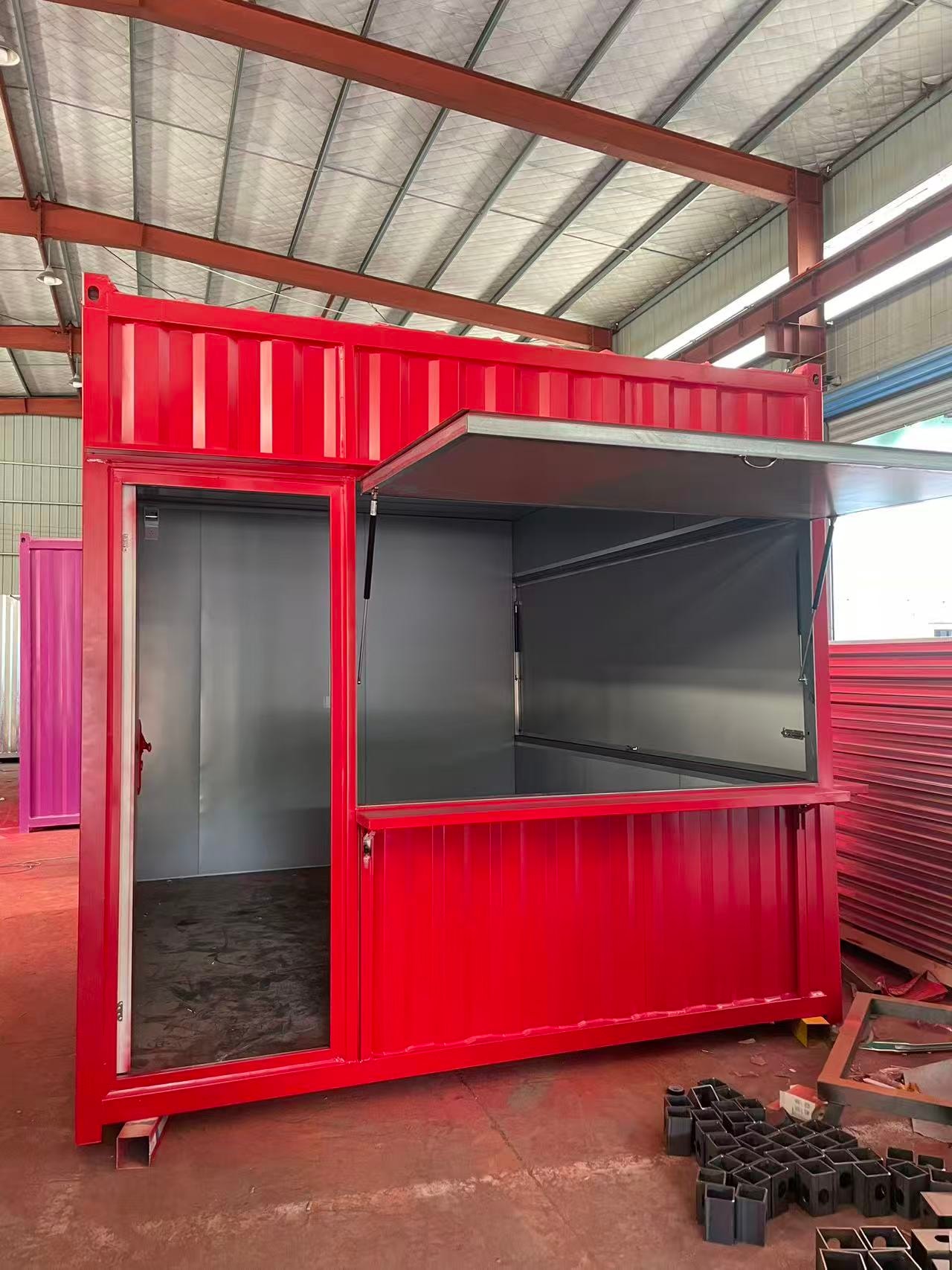
The photograph shows a modular unit in a factory setting. The wall panels have a warm brown wood-grain effect finish. The structural frame and corner fittings are white. A window with white vertical bars is visible on the side face. The panels appear to be applied to the exterior of the frame as a cladding layer. The photograph shows the appearance of the panels in factory conditions; it does not show the panels after exposure to weather, UV light or cleaning products.
The core material of the panels is not visible in the photograph and is not identified. Wood-look finishes are applied to a range of core materials including composite panels (such as aluminium composite or fibre-cement composite), coated steel or aluminium panels, PVC or other polymer panels, and engineered wood products. Each core material has different properties for fire performance, weathering, thermal movement, fixing method and maintenance. The appearance of the finish does not identify the core material.
Physical Sample Approval
Approving a physical sample before production begins is the most reliable way to confirm that the delivered panels match the buyer's expectation. A photograph — including the photograph in this article — shows the appearance of the panels under specific lighting conditions and at a specific angle. The actual appearance of the panels on a building will vary with the lighting conditions, the viewing angle and the surrounding context.
Request a physical sample of the proposed cladding panel before approving the specification. The sample should be large enough to show the full repeat of the wood-grain pattern — a small sample may not show the pattern variation across a full panel. Confirm with the manufacturer that the sample is from the same production batch as the panels that will be supplied, or that the production panels will match the sample within an agreed tolerance.
Colour and Batch Consistency
Wood-look finishes are produced in batches, and there may be slight colour or pattern variations between batches. On a building with multiple panels, visible colour variation between panels from different batches can be noticeable, particularly on large uninterrupted wall faces. Ask the manufacturer: Are all panels for the building from the same production batch? If panels from different batches are used, how is the colour variation managed — for example, by placing panels from the same batch on the same face, or by mixing panels from different batches to distribute the variation?
Confirm the batch identification system and request the batch numbers for the panels supplied. This information is useful for future replacement panels — if a panel is damaged and needs to be replaced, a panel from the same batch is more likely to match the existing panels than a panel from a later production run.
Joints, Edges and Corner Details
The joints between panels, and the treatment of edges and corners, affect both the appearance and the weathering performance of the cladding. Confirm from the drawings and specification: What is the joint width between panels, and is it filled with sealant, covered with a capping strip, or left as an open joint? What is the corner detail — is there a purpose-made corner piece, or are the panels mitred or butted at corners? What is the edge treatment at the top and bottom of the cladding — is there a flashing or capping to prevent water ingress behind the panels?
The white corner fittings visible in the photograph are visible at the corners of the frame. Whether they are structural corner pieces or decorative cladding corners cannot be determined from the photograph; confirm from the drawings and specification. Confirm whether the corner fittings are part of the structural frame or part of the cladding system, and whether they are finished to match the cladding panels or left in a contrasting colour.
Cleaning Compatibility and Handling Damage
Wood-look finishes vary in their resistance to cleaning products. Some finishes are damaged by solvent-based cleaners or abrasive cleaning pads; others are resistant to a wide range of cleaning products. Ask the manufacturer to provide cleaning instructions for the cladding panels, including: What cleaning products are recommended? What products should be avoided? What is the recommended cleaning method — soft cloth, sponge, pressure washer? What is the recommended cleaning frequency?
Handling damage during transport and installation is a common cause of cladding defects. The surface construction of the wood-look finish cannot be determined from the photograph; handling limits depend on the specific product. Ask the manufacturer to provide product data confirming the surface construction and handling requirements, and to confirm the packaging arrangement for the panels and the handling instructions. Confirm who is responsible for inspecting the panels for handling damage on arrival and before installation, and what the procedure is for reporting and replacing damaged panels.
Material Documentation: What to Request
The following table summarises the appearance observations that can be made from the photograph and the specification evidence that should be requested to confirm the material properties:
| Appearance (visible in photograph) | Specification evidence to request | Acceptance record |
|---|---|---|
| Warm brown wood-grain effect finish | Colour reference code and approved physical sample | Sample approval sign-off with date and batch number |
| Panel surface appears smooth and uniform | Core material identification and product data sheet | Written confirmation of core material in specification |
| White structural frame and corner fittings | Confirmation of whether corner fittings are structural or cladding | Drawing showing corner detail |
| Panels appear to be applied as a cladding layer | Fire performance classification and test certificate | Test certificate reference number and scope |
| Wood-look exterior finish | Relevant weathering data for proposed panel and coating, plus separate warranty terms | Product-specific evidence and warranty recorded |
See also our articles on modular wall assembly and OEM and ODM design approvals. For product enquiries, visit our products page or contact our team.
Cladding Acceptance Checklist
- Physical sample approved before production, with batch number recorded
- Core material identified in specification document
- Fire performance classification confirmed from test certificate
- Weathering warranty or test data confirmed
- Batch consistency arrangement confirmed for multi-panel orders
- Joint, edge and corner details confirmed from drawings
- Cleaning instructions provided and reviewed
- Handling damage inspection procedure confirmed
Topics
Explore our modular room products
Ready to discuss your project?
Our team is available to answer technical questions and provide indicative pricing for your modular construction project.
Contact Us