
Factory Quality Records for Modular Hotel Buyers: Inspection, Hold Points and Traceability
A technical review of the inspection hold points, quality evidence and traceability requirements that modular hotel buyers should establish with suppliers — covering nonconformance closure and acceptance criteria.
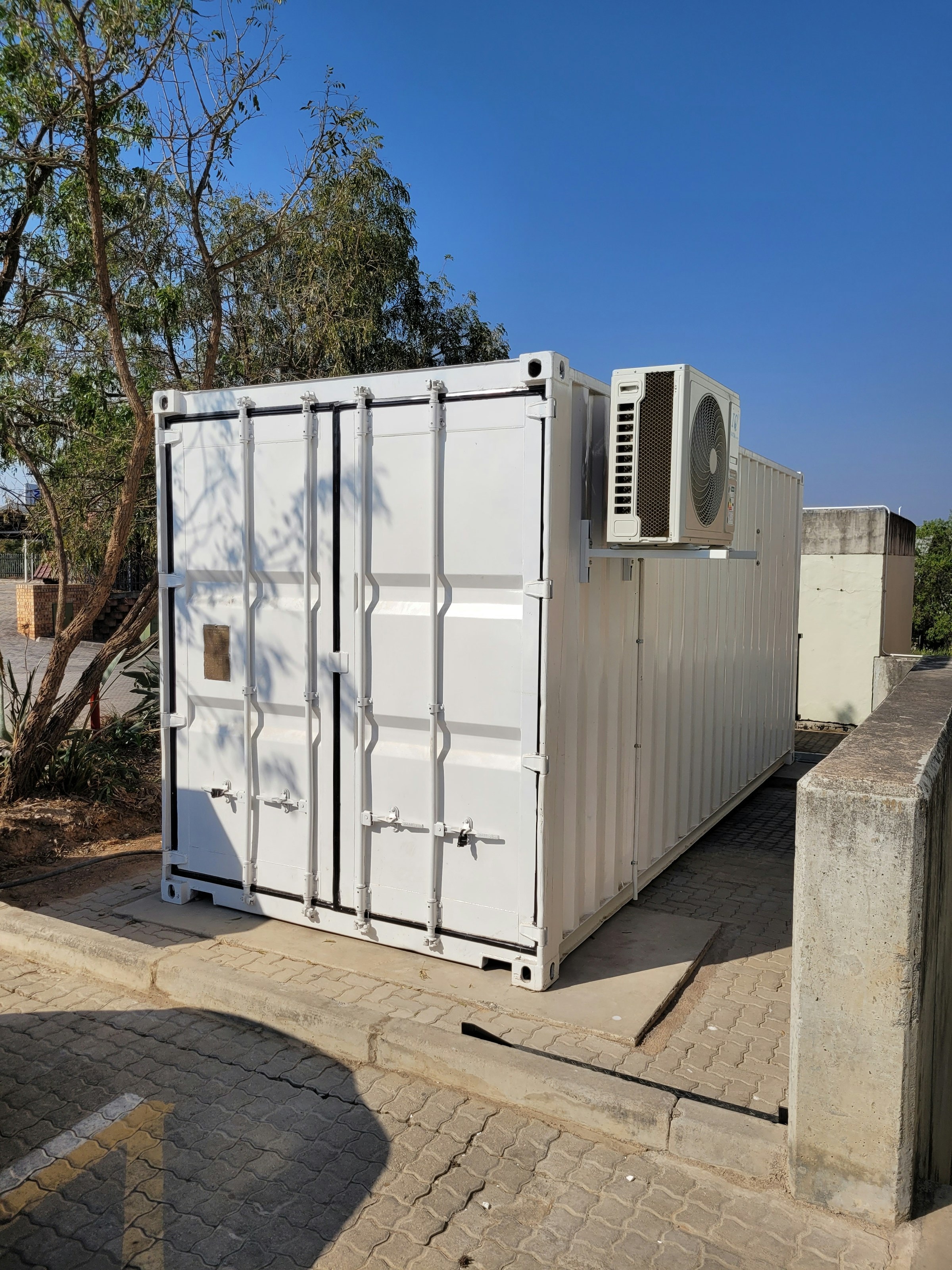
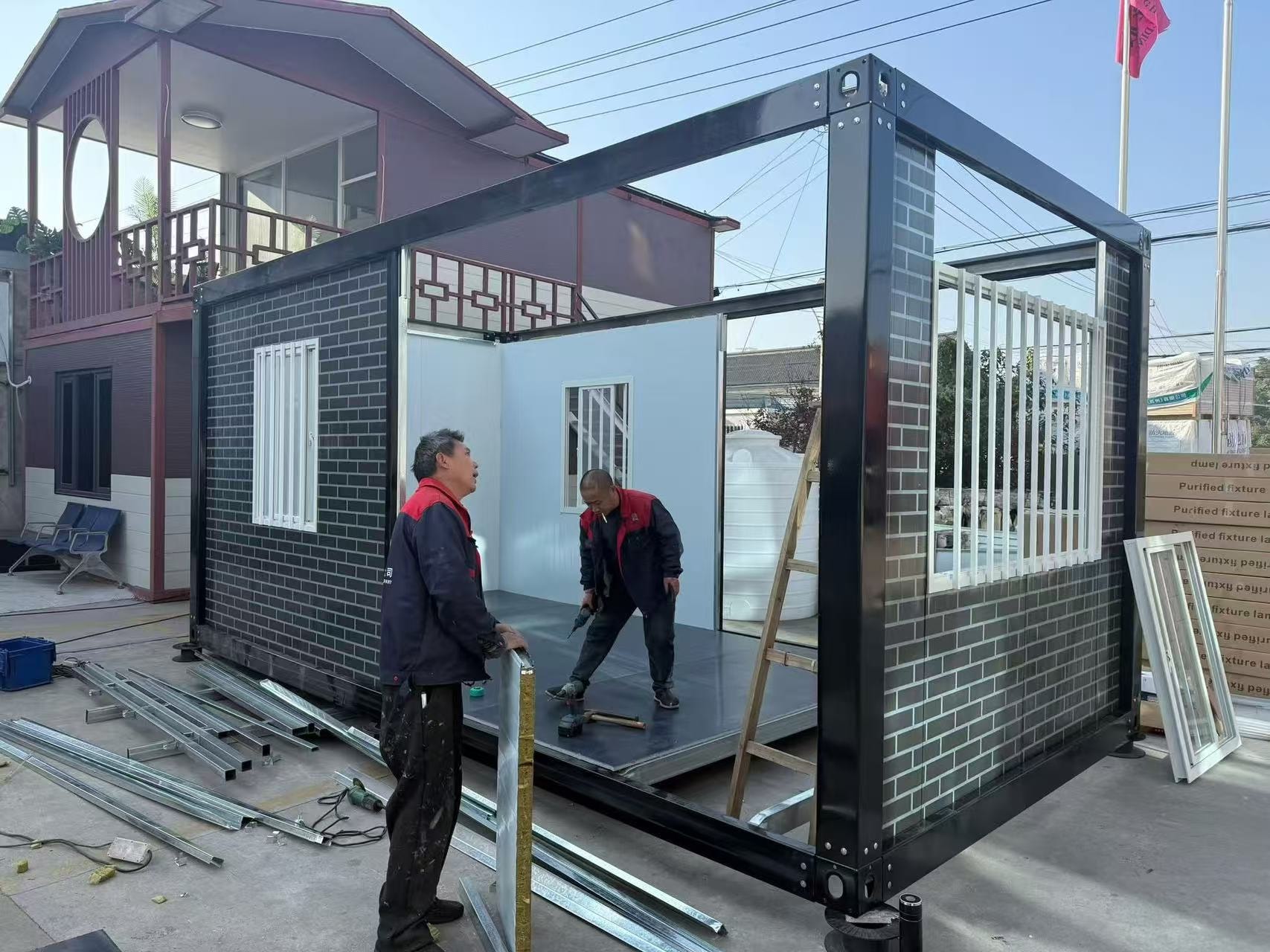
Methodology note: This article is an editorial technical review drawing on original analytical frameworks. It is not a peer-reviewed quality management paper. The photograph below shows an industrial fabrication workshop as a manufacturing reference; it is not our factory and does not depict a certified quality procedure. References to quality management concepts are general; project-specific quality plans require qualified quality management expertise.
Abstract
Factory quality management for modular hotel room production involves a structured system of inspection hold points, quality records and traceability documentation that enables buyers to verify that modules meet specification before they leave the factory. The quality management challenge for buyers is not simply to request quality records, but to specify in advance what records are required, at what hold points, with what acceptance criteria, and how nonconformances will be identified, documented and closed. This review presents a framework for establishing these requirements in the procurement process.
Keywords: factory quality control, inspection hold points, quality records, traceability, nonconformance management, modular procurement
1. Scope and Approach
This review addresses factory quality management from the buyer's perspective — specifically, what quality evidence a buyer should request and how that evidence should be structured to provide meaningful assurance. The review covers four areas: inspection hold points, quality record requirements, traceability systems, and nonconformance closure. The framework is original to this review and is intended as a starting point for project-specific quality planning, not a substitute for it.
2. Inspection Hold Points
2.1 What is a Hold Point?
A hold point is a stage in the production process at which work must stop and an inspection must be completed and accepted before work can continue. Hold points are the primary mechanism for ensuring that quality-critical activities are verified before they are covered up or made inaccessible. In modular hotel room production, the most important hold points are those that cover activities that cannot be inspected after the module is complete — waterproofing, structural connections, acoustic treatment and MEP installation within the module.
2.2 Establishing Hold Points in the Contract
Hold points must be established in the supply contract, not requested informally during production. The contract should identify: the specific hold points, the inspection activity required at each, the acceptance criteria, who is responsible for conducting the inspection, and whether the buyer or buyer's representative has the right to witness the inspection.
2.3 Typical Hold Points for Modular Hotel Rooms
The following hold points are typical for modular hotel room production, though the specific requirements will vary by project and module specification:
- Structural frame completion and dimensional check before cladding or lining installation
- Waterproofing membrane installation and flood test before tile or finish installation
- MEP installation within the module before lining installation
- Acoustic treatment installation before lining installation
- Pre-completion inspection of the complete module before dispatch
3. Quality Record Requirements
3.1 What Records Should Be Required?
Quality records are the documentary evidence that inspection hold points have been completed and accepted. The minimum records that buyers should require for each module are: inspection records for each hold point, signed by the responsible inspector; test records for waterproofing, drainage and any other tested elements; dimensional records confirming that the module meets the specified tolerances; and material certificates for structural steel and other specified materials.
3.2 Record Format and Retention
Quality records should be in a format that is legible, traceable to the specific module, and retained for a period consistent with the building's expected life. Digital records with module-specific identifiers are preferable to paper records, which are more easily lost or damaged. The contract should specify the record format, the retention period, and the mechanism for transferring records to the buyer at handover.
4. Traceability
4.1 Module Identification
Each module should have a unique identifier that links it to its quality records, its position in the building, and its material certificates. This identifier should be applied to the module during production and maintained throughout transport, installation and the building's operational life.
4.2 Material Traceability
Material traceability — the ability to trace a structural element back to its material certificate — is a requirement for structural steel in most jurisdictions. The traceability system should be established during production, not reconstructed after the fact. Buyers should confirm that the supplier's traceability system meets the requirements of the applicable structural standard.
5. Nonconformance Management
5.1 Identifying Nonconformances
A nonconformance is any deviation from the specified requirements identified during inspection. Nonconformances should be documented on a nonconformance report (NCR) that identifies the specific deviation, the module affected, the date of identification, and the inspector responsible.
5.2 Nonconformance Closure
Every nonconformance must be closed before the module is dispatched. Closure requires either: correction of the nonconformance and re-inspection confirming the correction; or a concession — a formal acceptance of the deviation as-is, with documented justification and buyer approval. Modules should not be dispatched with open nonconformances unless a concession has been formally approved.
6. Inspection, Hold Point and Evidence Matrix
| Hold Point | Inspection Activity | Acceptance Criteria | Record Required | Responsibility |
|---|---|---|---|---|
| Structural frame completion | Dimensional check; visual inspection of welds | Within specified tolerances; no visible defects | Dimensional record; inspection sign-off | Supplier QC; buyer witness option |
| Waterproofing installation | Flood test or equivalent | No leakage over specified test period | Test record with date, duration, result | Supplier QC; buyer witness required |
| MEP installation | Visual inspection; pressure test of pipework | Correct installation per drawing; no leaks | Inspection record; pressure test record | Supplier QC; buyer witness option |
| Acoustic treatment | Visual inspection of installation | Correct material, location and continuity per spec | Inspection record with photographs | Supplier QC; buyer witness option |
| Pre-dispatch inspection | Complete module inspection | All hold points closed; no open NCRs; dimensions confirmed | Pre-dispatch inspection report | Supplier QC; buyer representative sign-off |
7. Limitations and Project-Specific Verification
The hold points and record requirements identified in this review are illustrative. The specific requirements for any project will depend on the module specification, the applicable standards, the buyer's quality management system and the supplier's production process. The framework should be adapted by the project team — including the quality manager, structural engineer and building services engineer — to reflect the specific conditions of each project.
This review does not claim that any specific supplier holds quality management certifications. Buyers should verify certification status directly with suppliers and with the relevant certification bodies.
Conclusion
Effective factory quality management for modular hotel room procurement requires buyers to specify quality requirements in advance — not to request records informally during production. The four elements of the framework presented here — inspection hold points, quality record requirements, traceability systems and nonconformance closure — provide a starting point for establishing those requirements in the supply contract. The most important principle is that quality-critical activities that cannot be inspected after completion must be covered by hold points with mandatory inspection before work proceeds.
References and Further Reading
The following sources provide relevant background to this article. This editorial review has not undertaken a systematic study of industry data; statements about coordination considerations reflect the analytical framework presented here.
- Further reading: UK Government, Volumetric Modular Construction Research, published 26 November 2024 (research finalised July 2022, England scope). gov.uk — provides context on pre-project planning and lifecycle interface ownership in modular construction outcomes.
- Further reading: AIA–NIBS, Modular and Off-Site Construction Guide (2019). nibs.org — industry guide covering off-site construction coordination principles.
For information about the quality documentation available for Pengboxingchen modular room products, see our products page or contact us. Related reading: Modular Hotel Procurement Framework and OEM/ODM Design Approvals.
Topics
Explore our modular room products
Ready to discuss your project?
Our team is available to answer technical questions and provide indicative pricing for your modular construction project.
Contact Us